The challenge
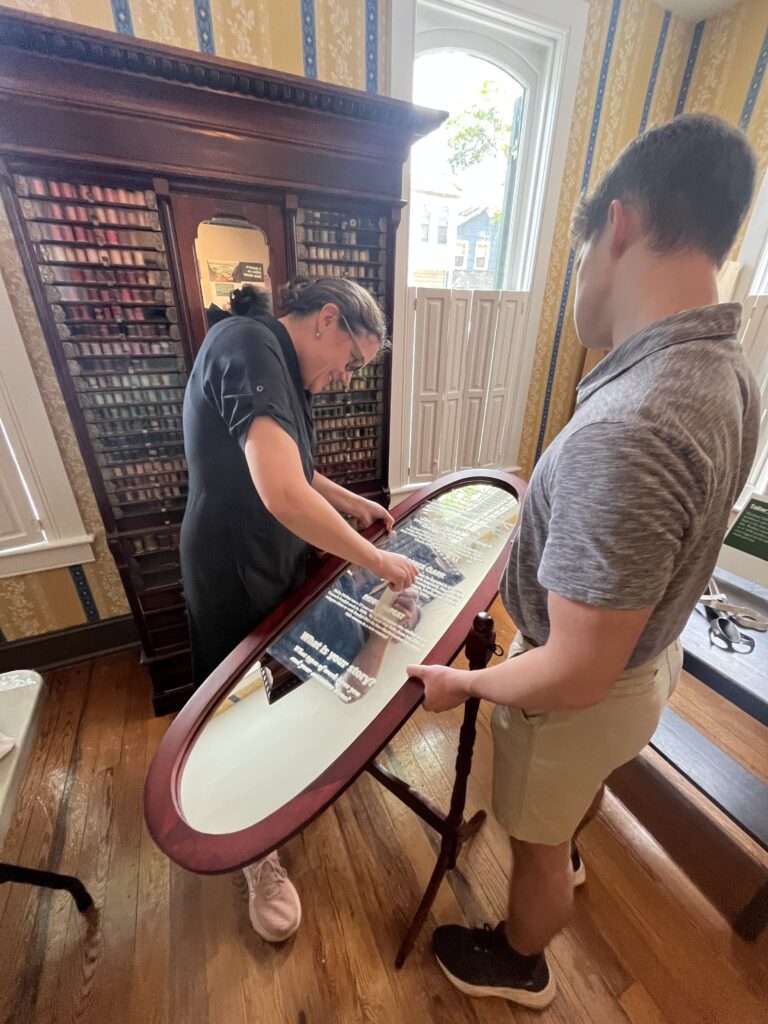
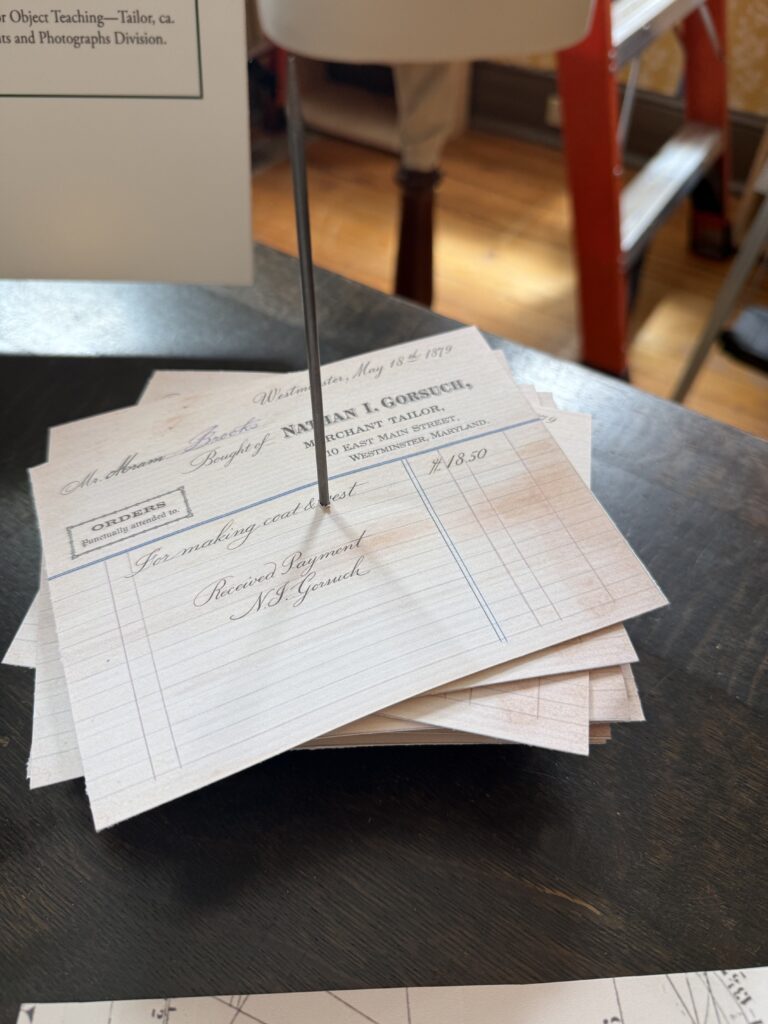
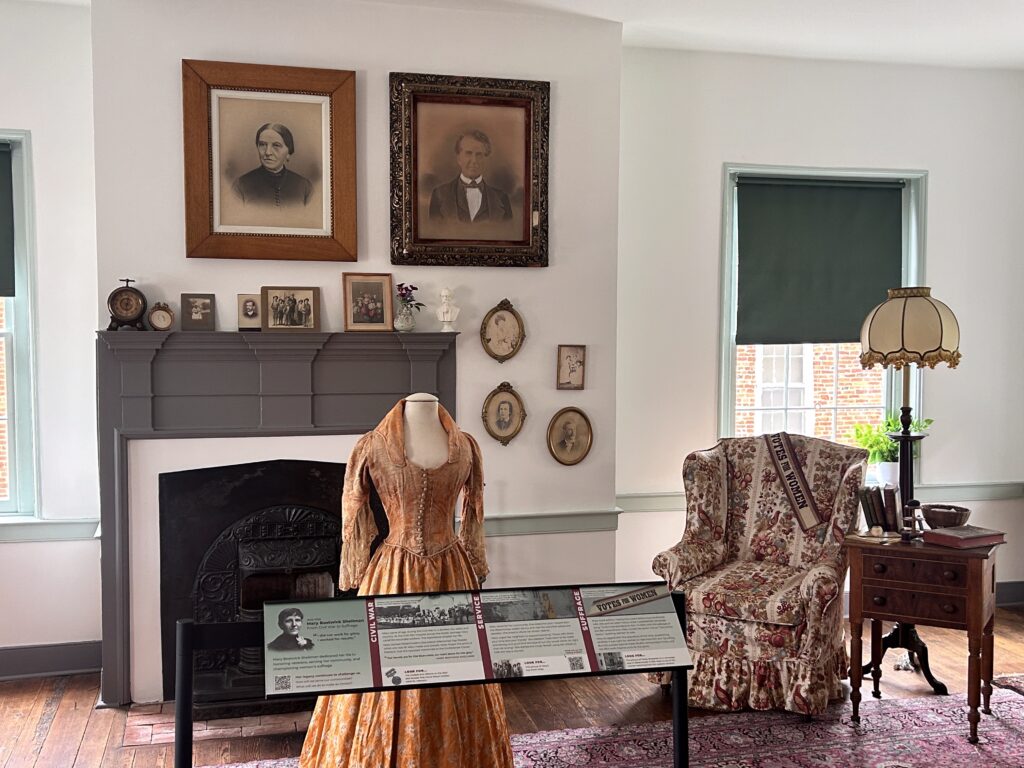
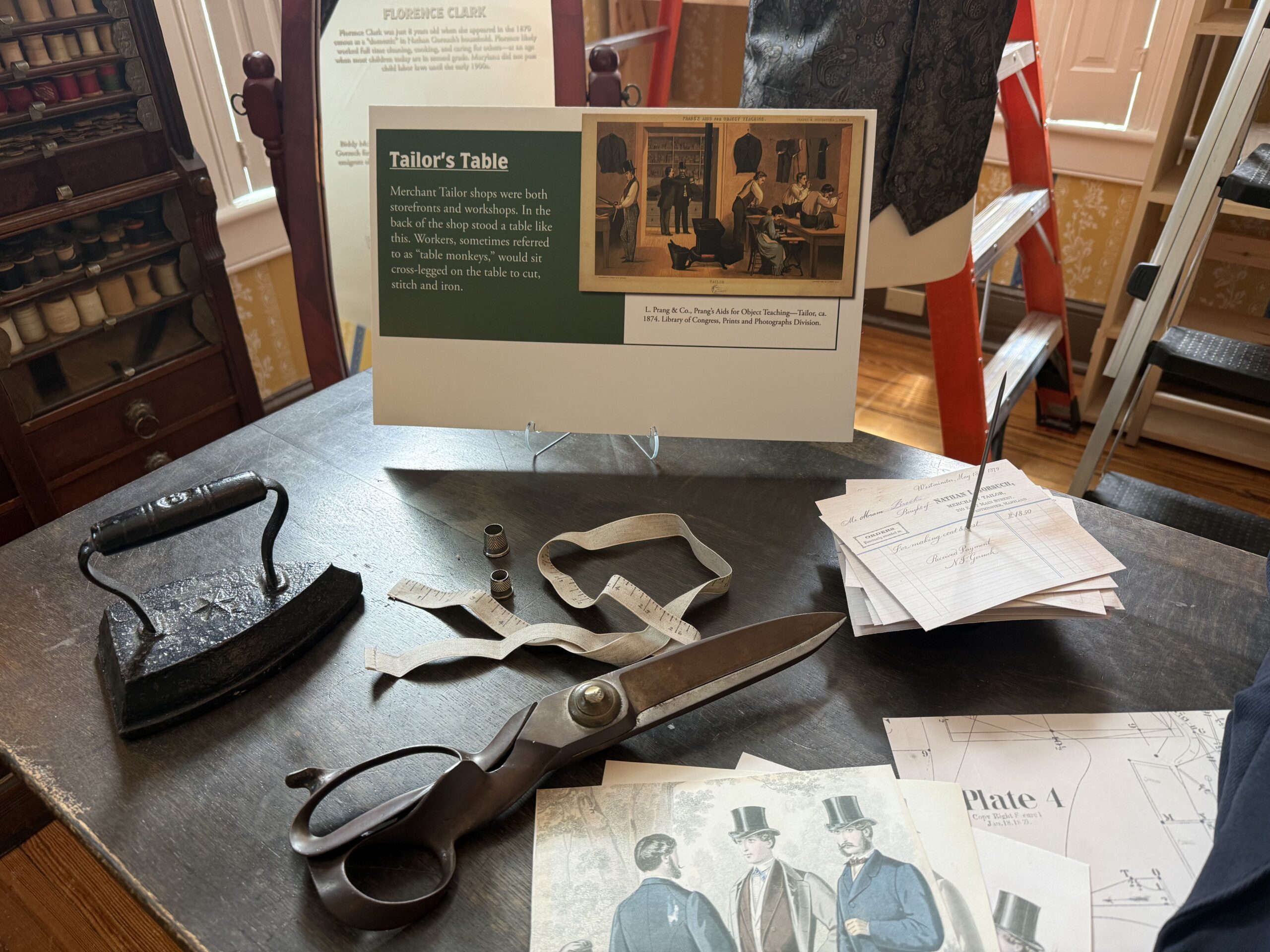
The Historical Society of Carroll County has a long and successful history of interpreting domestic spaces at the Sherman-Fisher-Shellman House, but as part of its Capital Campaign, it was ready to take on the new challenge of interpreting a room in the Kimmey House that, for most of its history, was used as a business. Specifically, it served as a doctor’s office during the first half of the 1800s and a merchant tailor shop during the latter half. The challenge was to interpret two professions, two time-periods and the connecting thread of Carroll County’s Main Street in one small room.
What I did
I began with two stakeholder conversations, bringing the Historical Society staff, volunteers, community members and local business leaders into the room together. With their vision and knowledge we set the goal for the exhibit, which was for visitors to have a renewed appreciation for the work, innovation and community spirit of Carroll County’s businesses and professionals, both past and present.
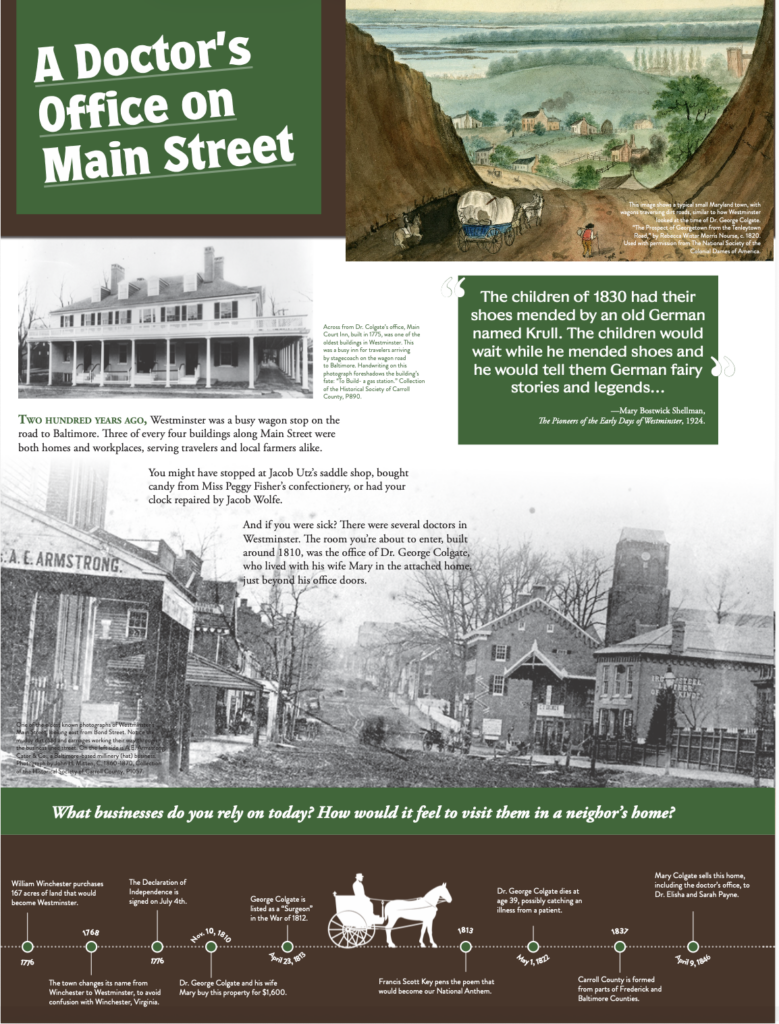
From there, I worked with staff to determine the essential questions, the storylines, and the key objects and images. I built a detailed interpretive and furnishings plan covering both the 1810 doctor’s office and the 1875 merchant tailor’s shop, with a timeline thread of Carroll County’s Main Street businesses connecting it all together.
The exhibit script, panels, objects and images worked together to achieve our goal by connecting work life in the past to today, showing how small businesses have impacted the county throughout its history, exploring the home-work connection, and introducing the forgotten workers who made the thriving businesses possible.
Outcome
The result was a fully interpreted historic space that connects two different eras of Westminster’s Main Street history through original research, period objects, and layered exhibit graphics. The finished room gives visitors a clearer sense of how medicine, business, and everyday work changed over the nineteenth century.