The challenge
For decades, tours of the Sherman-Fisher-Shellman House had focused on the first floor and the house’s early nineteenth-century history. The Historical Society wanted to open the second floor to visitors and tell the story of Mary Bostwick Shellman, the home’s longest resident, but doing that meant much more than furnishing a bedroom. The room needed to reflect Mary’s life while also giving visitors a way into larger stories about the Civil War, memory, race, women’s suffrage, and civic engagement.
Additionally, Mary Shellman is a beloved historic figure in the Carroll County community. At age 18, Mary started Westminster’s first Decoration Day Parade, which became one of the nation’s oldest Memorial Day celebrations. She fought for suffrage, founded the county’s first Boy Scout troop, rallied against racism and poverty and taught women how to vote in her own home. Her story needed to be treated with care and respect while also revealing the complicated realities of post-Civil War Maryland.
What I did
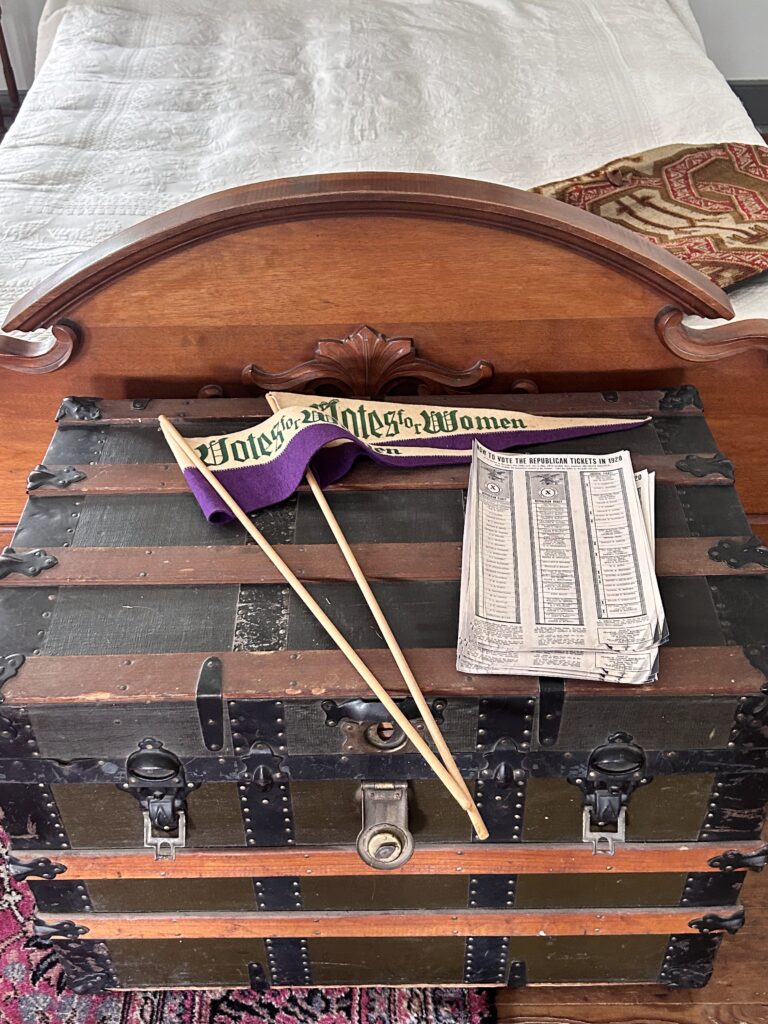
I led the research and interpretive planning for the room, working with HSCC staff, board members, volunteers, and collections staff to decide what story the space should tell. Careful listening and hands-on collaborative exercises at stakeholder meetings helped the entire community become a part of the end project. I researched Mary Shellman, the house, its furnishings, and the objects and archival materials in the collection; developed a furnishings plan; and helped establish 1920 as the room’s period of interpretation, when Mary opened her home as an instruction room for newly enfranchised women preparing to vote.
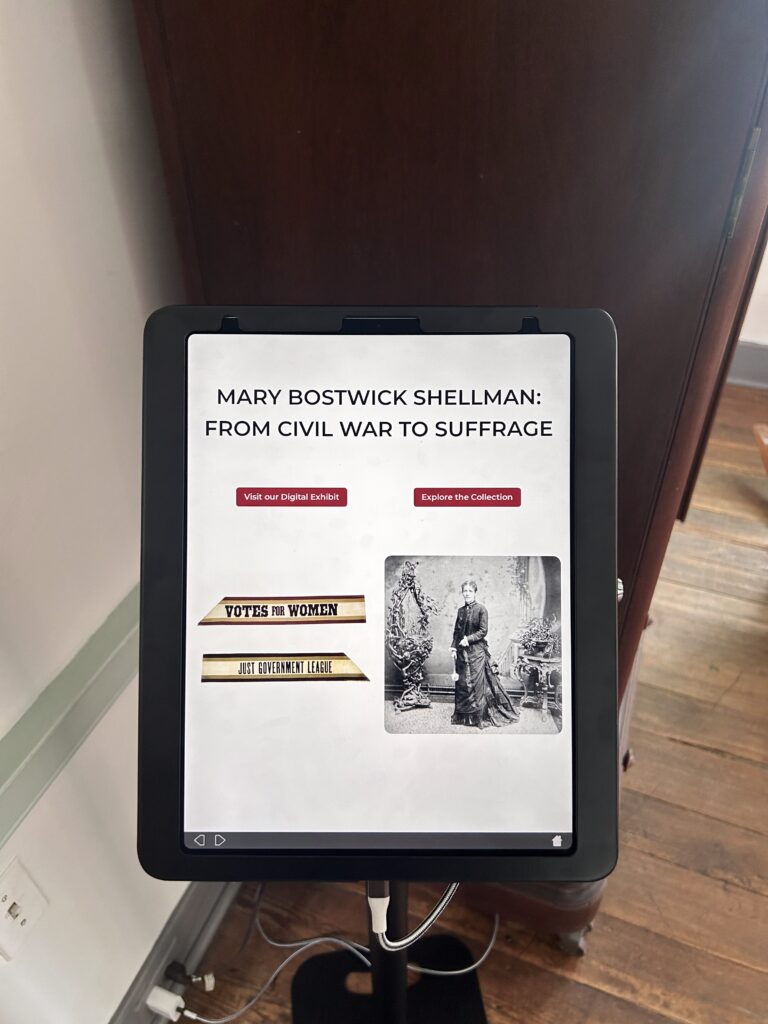
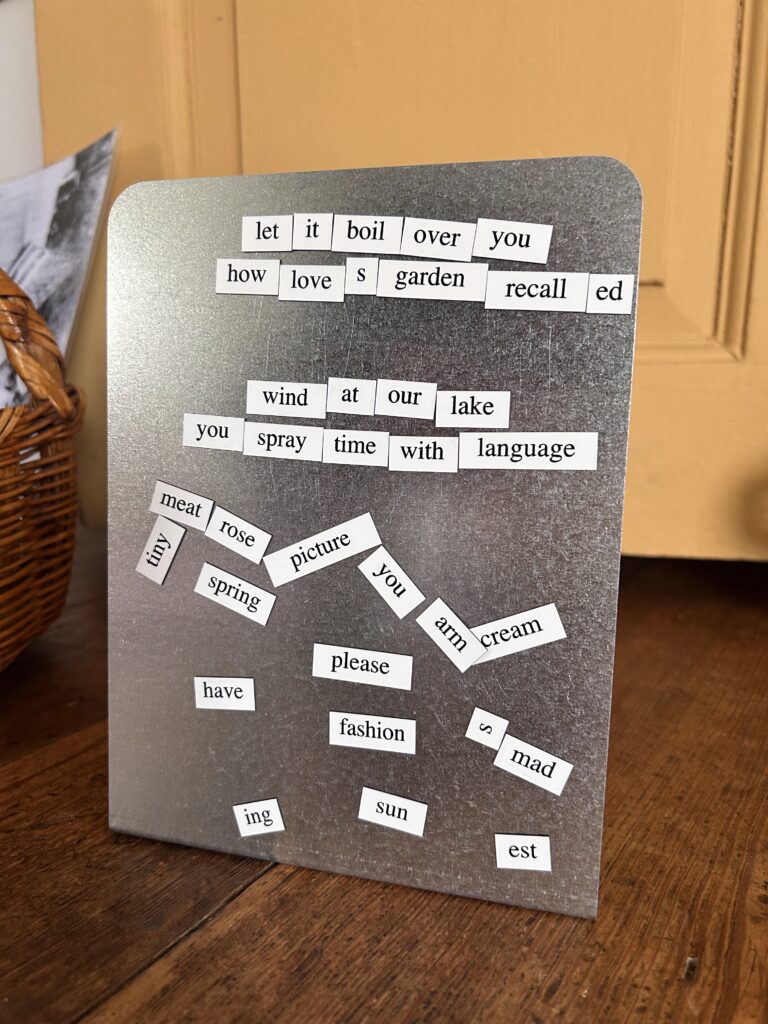
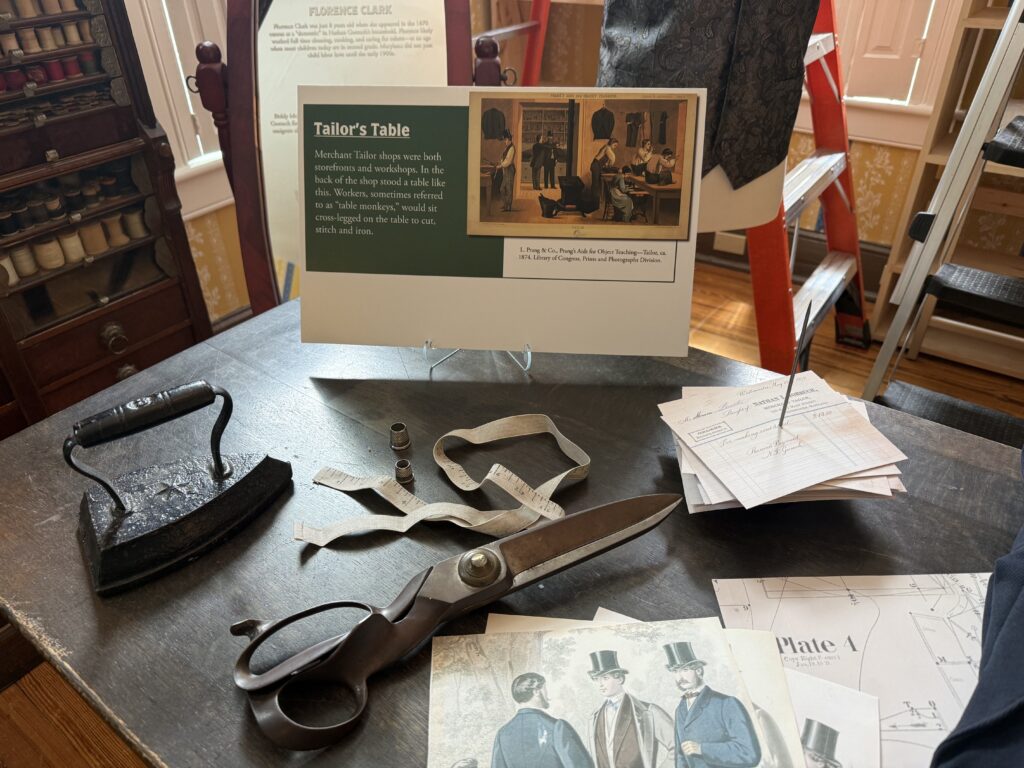
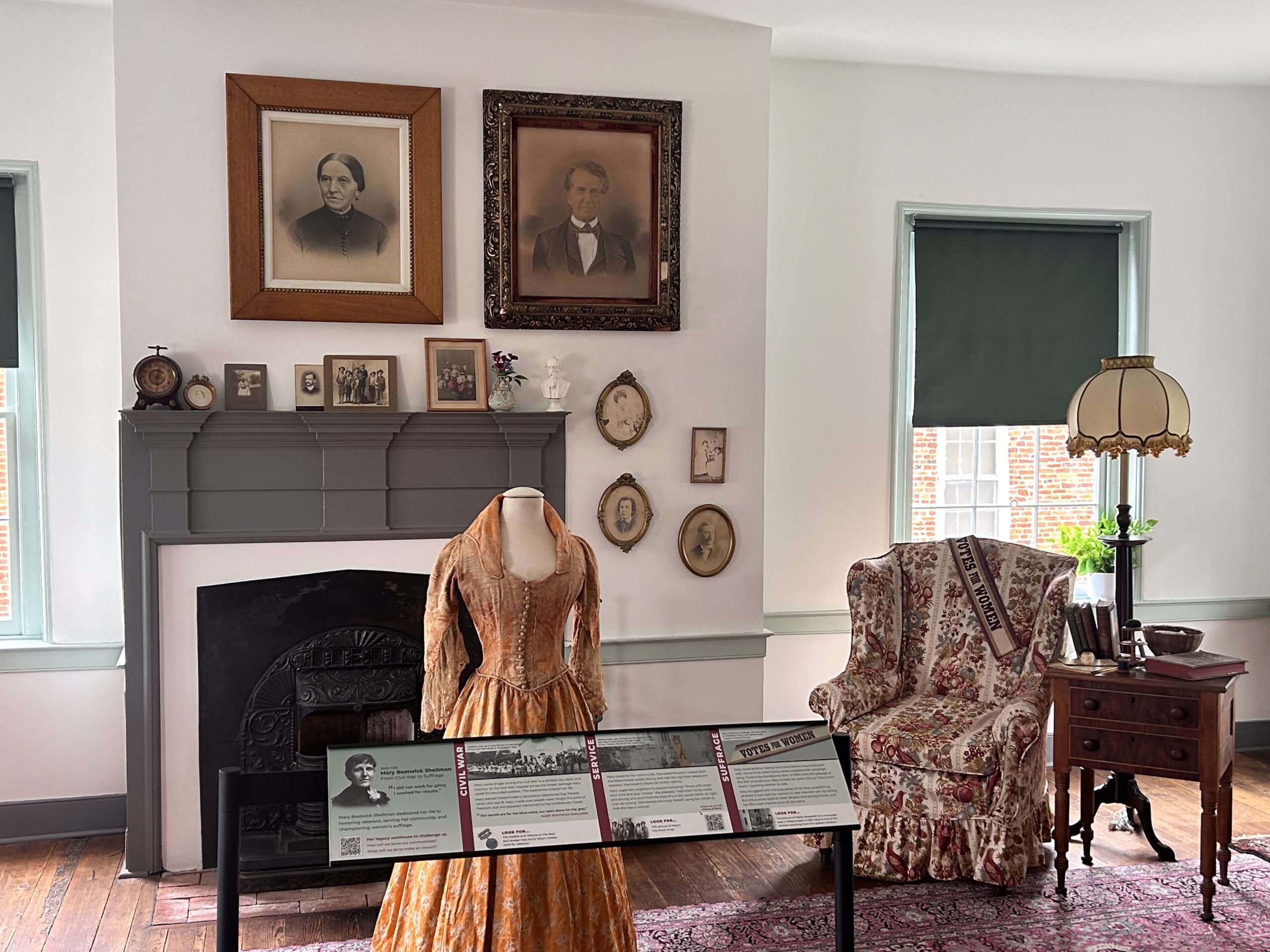
I then developed the full interpretive plan, organizing the story around major themes including the Civil War and its memory, women’s suffrage, and Mary’s lifelong civic and community activism. The plan identified storylines, artifacts, visitor questions, interpretive tools, room layout, and evaluation strategies. I wrote the exhibit script and developed interpretive materials, including interactive audio and video presentations featuring Mary Shellman’s original poetry and music, and led the installation of the finished room.
Outcome
From Civil War to Suffrage opened the second floor of the Sherman-Fisher-Shellman House to the public for the first time since 1939. Set in 1920, the finished room uses Mary Shellman’s life and belongings to connect Carroll County history with larger stories of Civil War memory, women’s suffrage, and civic engagement. The room has inspired a wave of new interest in the community that has led to increased donor revenue, new school tour visits and increased attendance.
Mary Shellman: Civil War to Suffrage Virtual Tour and Digital Exhibit